

 Computer Engineering
Analyse and process audio, sensor and communication signals with digital techniques.
About this course
Analyse and process audio, sensor and communication signals with digital techniques.
This professional-level course is part of the GITTA Computer Engineering pathway. It is delivered only by GITTA-approved training centres, so every learner receives the same standard of teaching, hands-on practice and independent assessment.
Who should attend
Engineers working in communications, audio, instrumentation or embedded systems.
Entry requirements
Engineering mathematics and programming.
By the end of the course you will be able to
- Describe signals in time and frequency
- Apply sampling theory correctly
- Design digital filters
- Use the fast Fourier transform
- Implement DSP on processors
Course content
- Module 1: Signals and systems
- Module 2: Sampling and quantisation
- Module 3: The Fourier transform and FFT
- Module 4: Digital filter design
- Module 5: Multirate processing
- Module 6: DSP hardware
- Module 7: Applications
Practical work
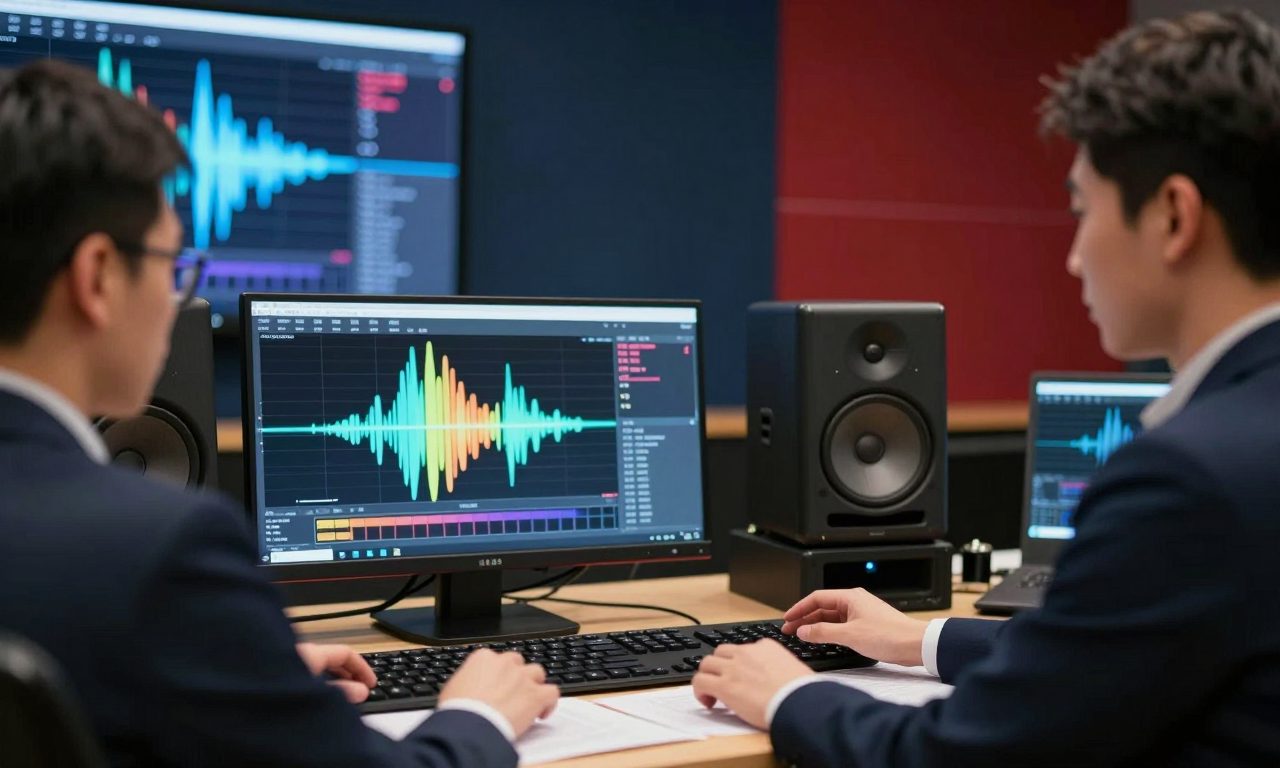
Learners design and test a real-time audio filter.
Assessment
Hands-on project assessed by a GITTA-approved assessor and a 90-minute scenario-based exam (pass mark 70%).
Certificate
Successful learners receive the GITTA Professional Certificate in Signals and Digital Signal Processing (course code GITTA-CE-311), with a unique serial number that employers can verify online.
How to take this course
Book through a GITTA-approved training centre. You can check that a centre is approved, or contact us and we will help you find one. Organisations can also arrange private, in-company delivery.